



Happy July 5th, everyone!
I’m sure most of you are waking up moving a little slower after a long Independence Day. With that in mind, I’m keeping today’s Sunday Bag short, sweet, and on-theme for yesterday’s holiday.
Hope you enjoy it.
The American Promise
America was founded on a simple promise: it doesn’t matter where you start. If you work hard, if you fight, if you refuse to accept someone else’s limits, you can become anything you want to be.
Individual effort, individual determination, individual grit. You’re not trapped by your circumstances.
For 250 years, America has fought to fulfill this revolutionary promise. And running parallel to that history is the story of American golf — an evolution shaped by iconic figures whose journeys personify the defining American traits of meritocracy, grit, self-agency, and sheer determination.


From Old Money to Raw Talent
When golf landed in America in the late 1800s, it arrived in the form of private clubs, expensive memberships, and a game reserved strictly for those with time and money. If you weren’t born into that world, you weren’t breaking in.
But then America got a hold of it, and golf slowly began shifting into the meritocratic game we know today.
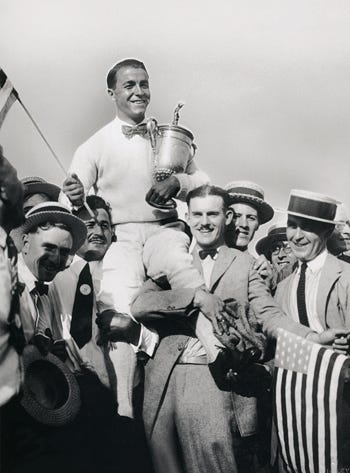
Caddie yards let working-class kids in to learn for free, absorbing the game through years of repetition until they were better than the members who hired them. Municipal courses meant you didn’t need a country club membership to get better.
By the postwar era, golf had broken out of its closed loop, shifting into a game dominated by talent and effort. It didn’t matter where your family came from or how much money they had. It only mattered how talented you were and how hard you were willing to work.
Three Stories of American Grit
Francis Ouimet
If you’ve ever watched the movie The Greatest Game Ever Played, you’ll know this name. Born to an Irish and French-Canadian immigrant family in Brookline, Massachusetts. Ouimet was poor, working-class, and everything golf at that time said you couldn't be.
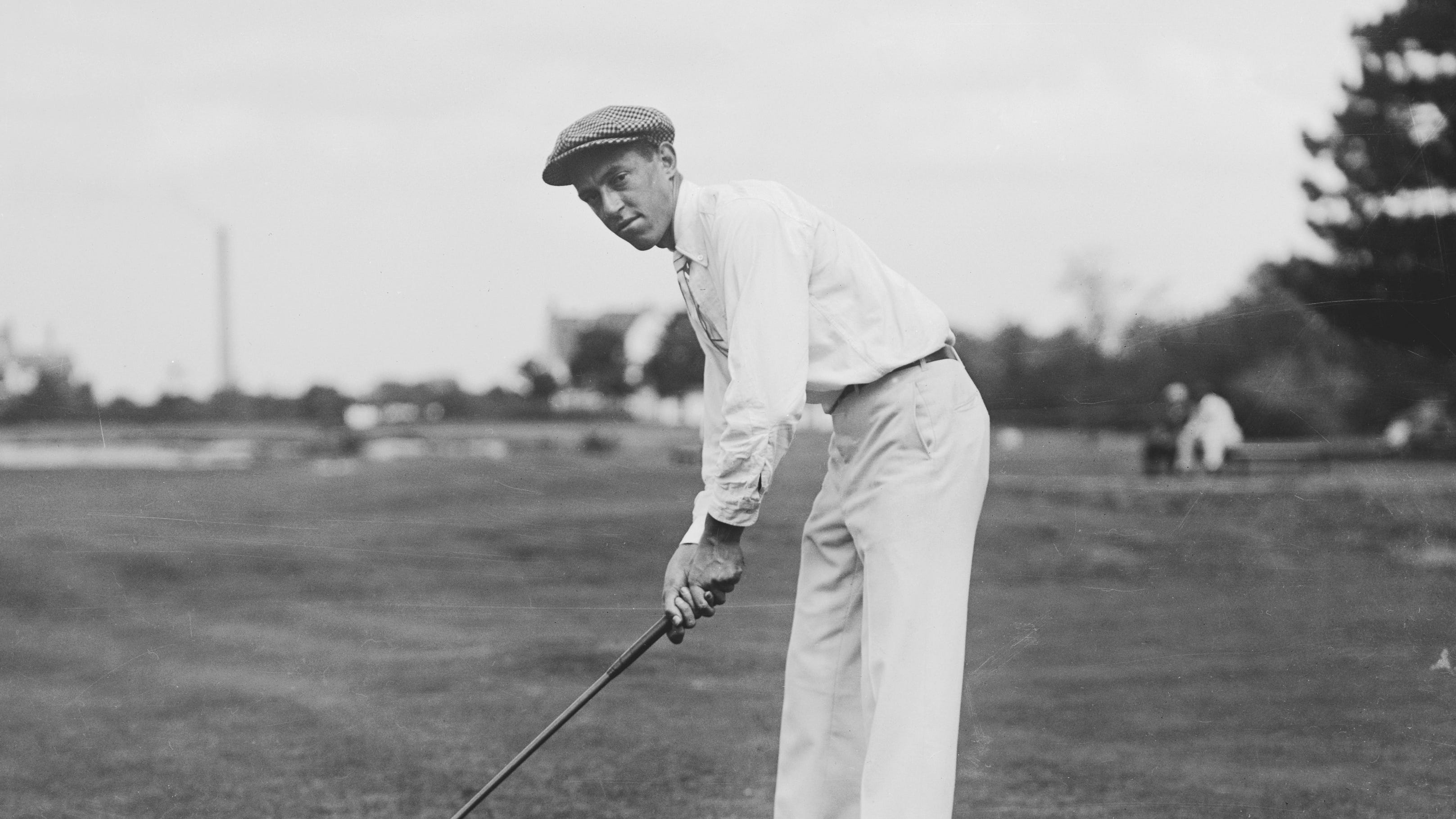
He grew up across the street from The Country Club, close enough to watch the members through the fence. At 11-years old, he started caddying. He taught himself to play with scavenged balls and cut-down clubs, practicing in his backyard.
By 20, he walked into the U.S. Open as an amateur and beat the two best professionals alive. They were both Englishmen which is quite apropos for today’s post.
His victory opened doors that had been previously locked. Golf participation in America reportedly doubled in the years that followed.
Ben Hogan
Hogan was born into Texas poverty and lost his father to suicide at just nine years old. When he turned 11, he began caddying to help his family survive.
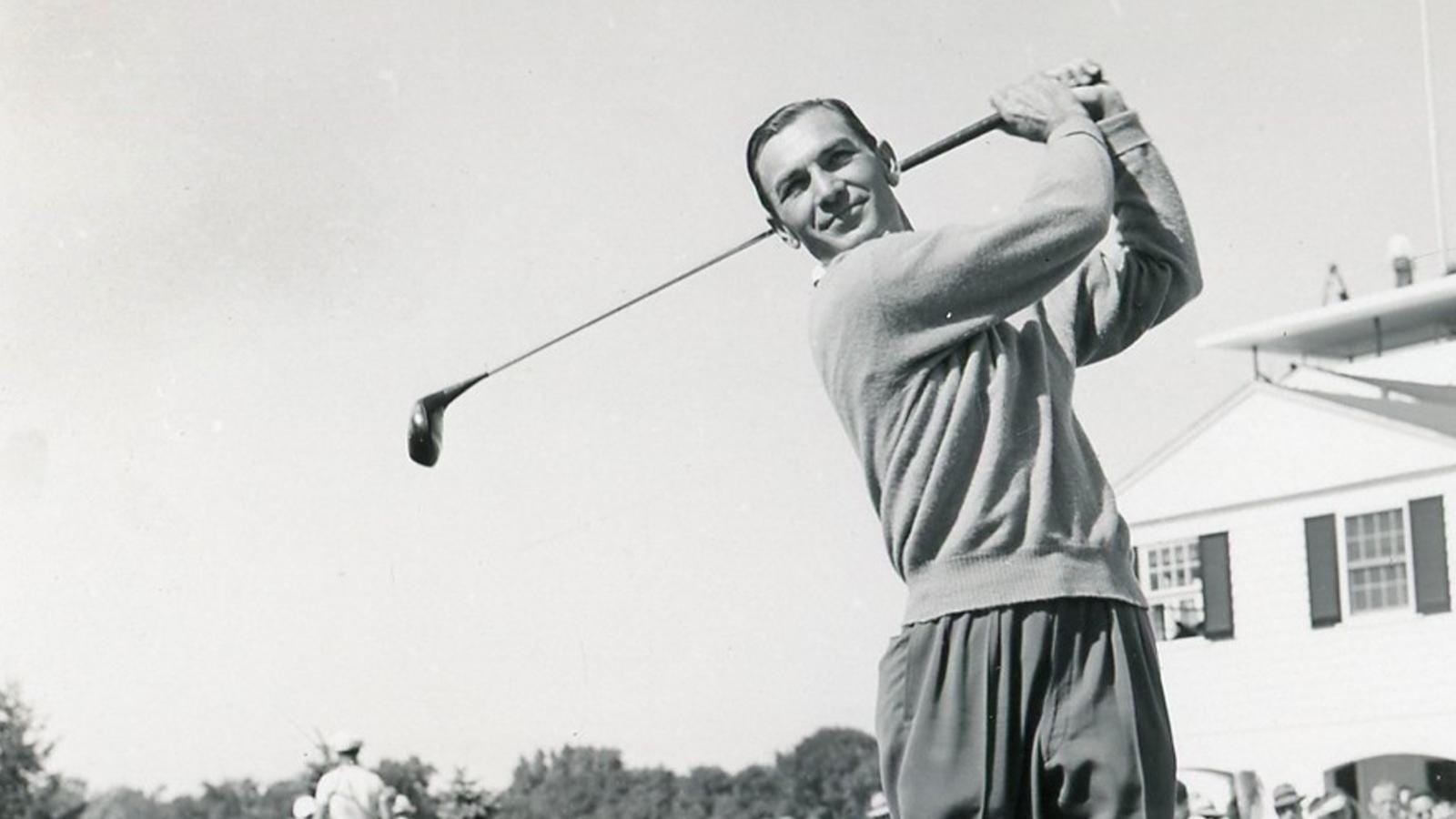
What followed became arguably the greatest golf swing of all time.
He received only minimal initial instruction — primarily basic grip advice from the club professional. Beyond that, Hogan developed his renowned swing almost entirely on his own through relentless observation of the players he caddied for, and hitting hundreds of balls daily.
In 1949, a head-on collision with a Greyhound bus left him with injuries so severe doctors doubted he would ever walk again. Sixteen months later, he won the U.S. Open.
Hogan never had talent handed to him. He dug his entire game out of the dirt, one bloody rep at a time.
Tiger Woods
A kid whose father, a Green Beret, decided his son would be the best. Not really good — the best.

Earl Woods put a golf club in Tiger’s hands at three years old and taught him to dominate the game. He taught him that talent was secondary to work ethic, that comfort was secondary to improvement, and that individuals who refused to accept limits became champions.
Earl would also emphasize that Tiger’s extraordinary talent would leave the golf establishment no choice but to accept him, breaking down racial barriers as a natural consequence of his skill.
He spent his entire career proving just that.
He wasn’t just great at golf. He was a transformational force for the sport itself. He made the game bigger because he refused to accept that it couldn’t be.
In America, golf shifted from a game of privilege to an arena of merit. It transformed into a sport for those willing to prove through sheer determination, grit, and integrity, that the only thing that truly matters is the willingness to improve.
Not a bad idea to sit with the day after our 250th birthday.
I hope you guys enjoyed the post, and I’ll see you on Wednesday.
Tommy
You can pre-order the digital version of my new book on Amazon HERE. It will be free for all premium subscribers.

If you have any questions, comments, or feedback, please don’t hesitate to email me at tourswingstommy@gmail.com. I read everything.
Social Media: Make sure to follow me on X here.
If you haven’t read them yet, check out some of the most popular Scoring Letter posts below:


I think the story of Lee Trevino is certainly equally inspiring!