


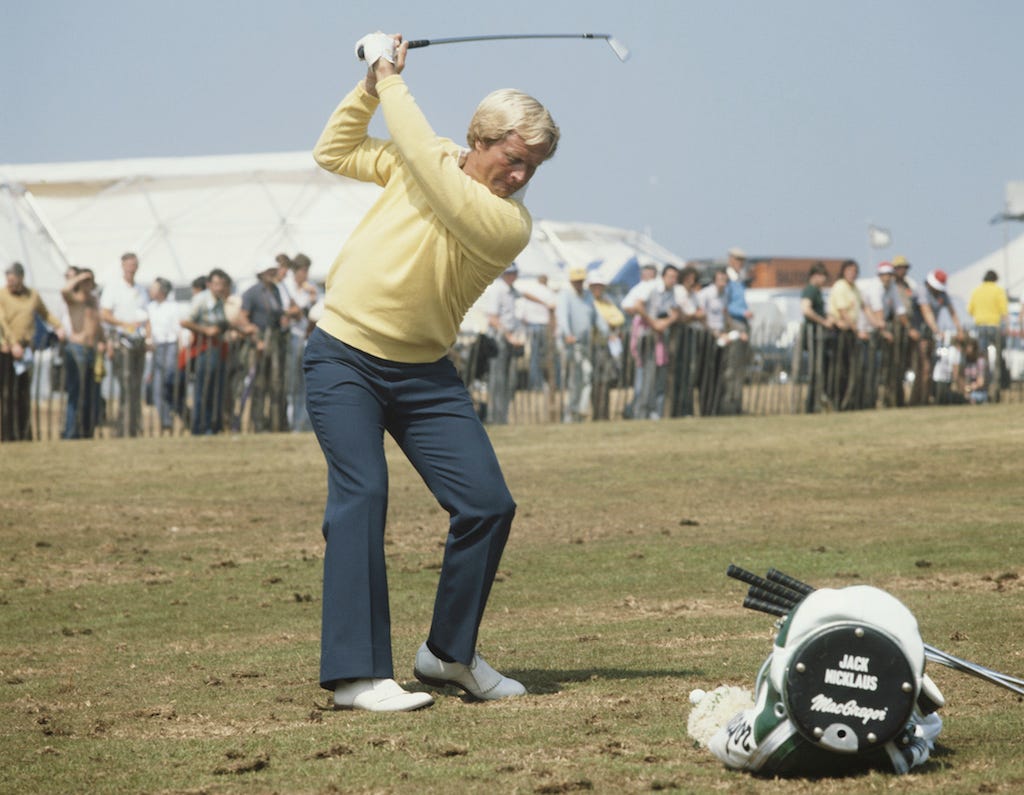
I’m a range rat. I’ll admit it.
It’s therapy for me. Grabbing a bucket, throwing in my AirPods, and just spacing out.
Usually I can get in a groove with a specific club and flush a few in a row right at my target. Or, towards the end of my session, I’ll start aping driver and rattle the back fence just to impress all the Covidians on the range.
Does it make me feel good? Yes, it does. Does any of it actually make me a better golfer? No, absolutely not.
Practice time is precious and finite. Especially for those of us with busy schedules. So if you’re going to practice, why not spend that time doing it the right way?
Not to mention, if you’re buying a large bucket of balls — which last I checked is comparable to the cost of a down payment on a small home — you better make damn sure you’re getting your money’s worth.
When it comes to effective practice, there’s an important distinction you need to understand:
Performance does not always equal learning.
Performance is temporary. It’s how well you hit the ball right now, under your current conditions. Learning is permanent. It’s the actual change in your game. It’s what’s still there next week, on a different course, under pressure, and when it truly counts.
Here’s the uncomfortable truth about practicing in golf: the two are often inversely related.
The exact conditions that make you stripe the ball beautifully on the range are usually the ones that produce the least amount of lasting improvement.
I understand you want to show off your club head speed to the cougars who just took up golf last week and are hitting balls next to you. But don’t give in.

Before we continue, I’m currently offering 20% off annual subscriptions. Click HERE to claim your 20% discount.
The Research
You need to drill this into your head:
The practice that feels clumsy and frustrating is the practice doing the real work.
Robert Bjork is a UCLA psychologist who has spent a career studying this concept. He calls these frustrating conditions “desirable difficulties.” His collaborator Nicholas Soderstrom explains it like this:
We confuse current performance with durable learning, and training built around feeling good in the moment quietly optimizes for the wrong thing.
Which means the mid-bucket groove — the very thing most of use to judge whether a session was worth it — is measuring the wrong variable.
You can feel productive for an hour and bank almost nothing. That’s the precise definition of wasted time: not time spent badly, but time spent on the wrong currency.
A 2017 study in “Perceptual and Motor Skills” had golfers learn putting under blocked versus random schedules.
The random group putted worse during acquisition, and better on retention and transfer.
Now think about what ten consecutive balls with the same club is.
It’s blocked practice. The purest form of it. Each swing calibrates the next swing. Same club, same lie, same target, same rhythm. The groove you find mid-bucket is real, but it’s a short-term calibration, and you will never be asked to use it on a golf course.
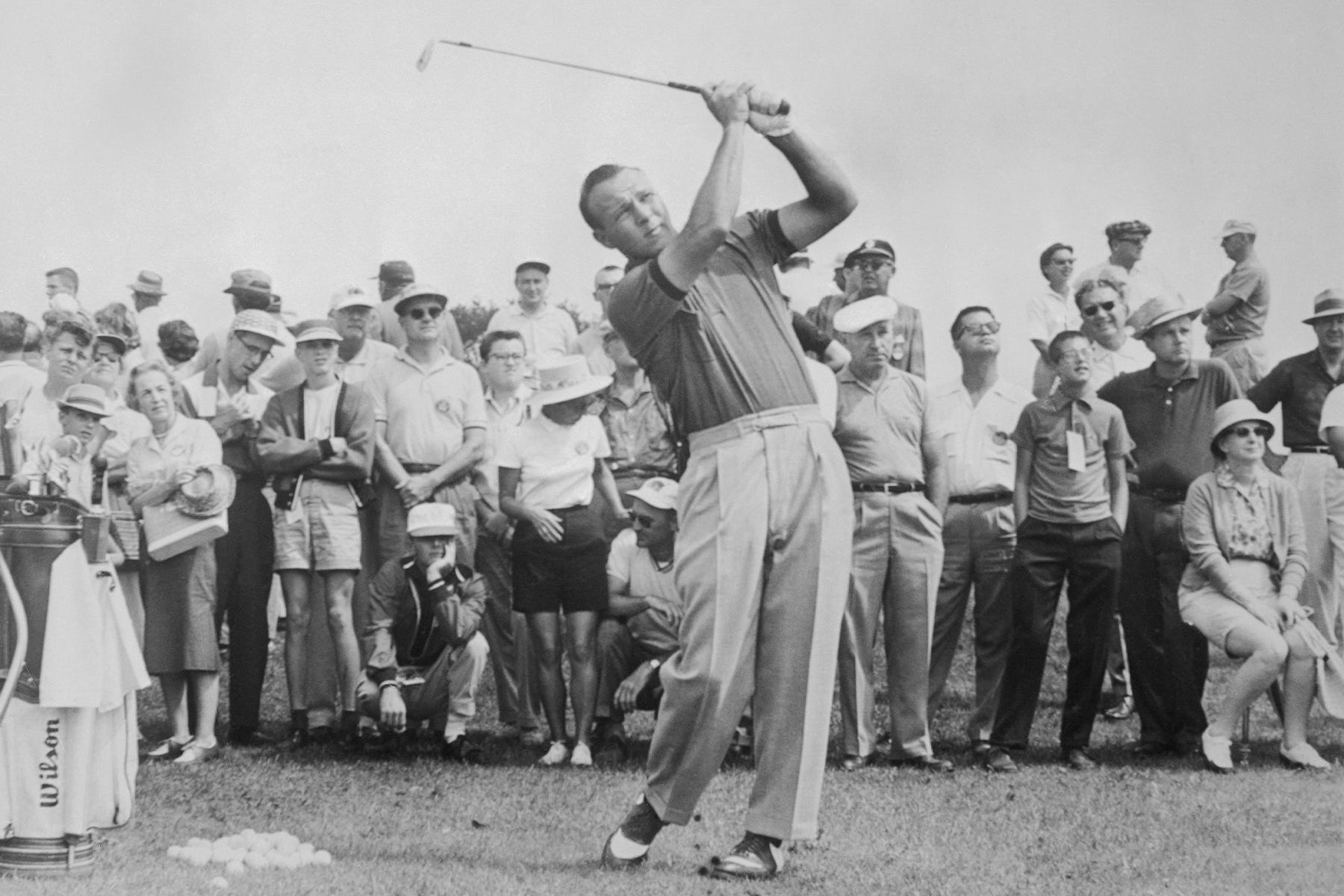
Our goal in practice shouldn’t be short-term calibration. It needs to be long-term retention. We need to train the mind and muscles for skills that actually transfer to the course.
So, I’ve compiled a list of five games/techniques you can use on the range to help you achieve this. Some are unconventional. Others you may be familiar with. They are in no particular order, but they all share the same objective of making you uncomfortable. You should expect to struggle, because as we’ve learned:
Performance does not always equal learning.
