


Happy Sunday, golfers.
It feels like Black Friday begins earlier and earlier each year. I guess they are calling it Black November now? Regardless, all it means is more golf deals for us—so I’m not complaining.
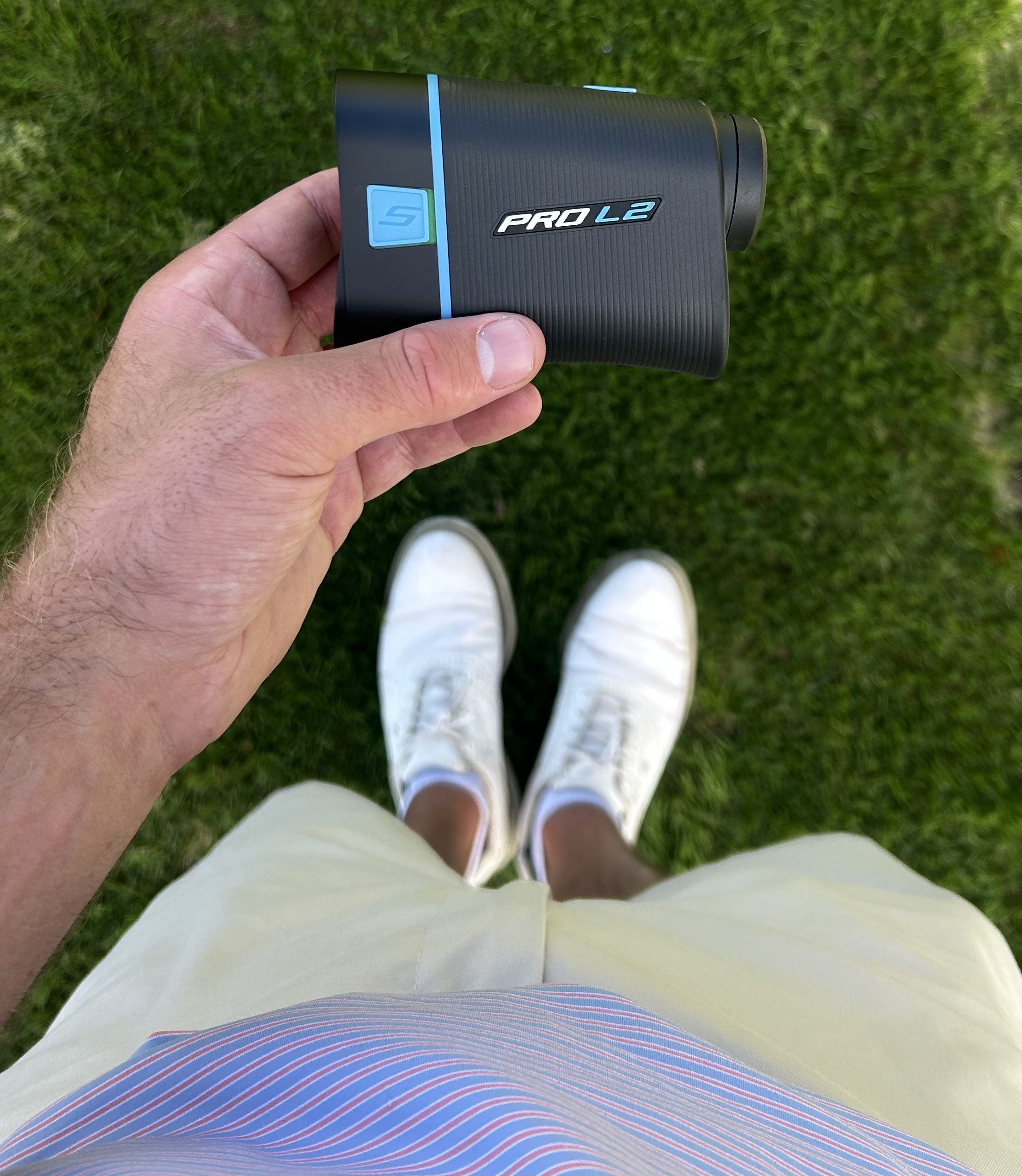
I plan to release an official holiday buyer’s guide in the coming weeks featuring different game-improvement/course management gear, but for now, go check out Shot Scope. Apparently they are fans of the newsletter and were generous enough to send me one of their PRO L2 rangefinder models for free! So go show them some love.
They are offering up to 50% off select gear, and you can take an additional 15% off with code TOURSWINGS (as an affiliate, I may earn a small commission on purchases made through my links, which helps support the newsletter).
Okay, let’s get into it.

Your Camera Is Lying
I’m sure most of you have recorded your golf swing at some point. And if you haven’t, you absolutely should—video is the only way to make real progress in my opinion. Without seeing your mechanics on camera, it's nearly impossible to accurately verify your positions. And as we all know, feel and real are rarely the same thing. So start recording your swing!
But there’s a catch…
Camera angles can lie.
The danger is that you end up trying to fix a flaw that doesn't actually exist.
Have a look at the post below from @adamyounggolf.
The left golfer appears to have an “on-plane” takeaway, while the right looks to take the club away slightly inside.

But does the golfer on the right truly have an inside takeaway?
If you set up your tripod (this is the one I use)—chances are your camera isn’t perfectly aligned down the target line. This subtle misalignment can distort your positions on film, and turn your own video against you.
Here are the two key takeaways:
Be careful diagnosing swing flaws using footage that isn't truly square to your line (or however you intend them to be).
When you record your swing from down-the-line, please make sure you’re actually aiming the camera down-the-line.
Scratch Vs. Pro
If you are a longtime reader of the newsletter, you’ve likely seen me mention the name Mark Broadie. For those unfamiliar with his work, Broadie is the Columbia Business School professor who invented the Strokes-Gained metric.
He recently sat down with Golf Digest to answer a few questions, including a question I’ve covered here numerous times:
What’s the biggest statistical difference between a scratch golfer and a PGA Tour player?