


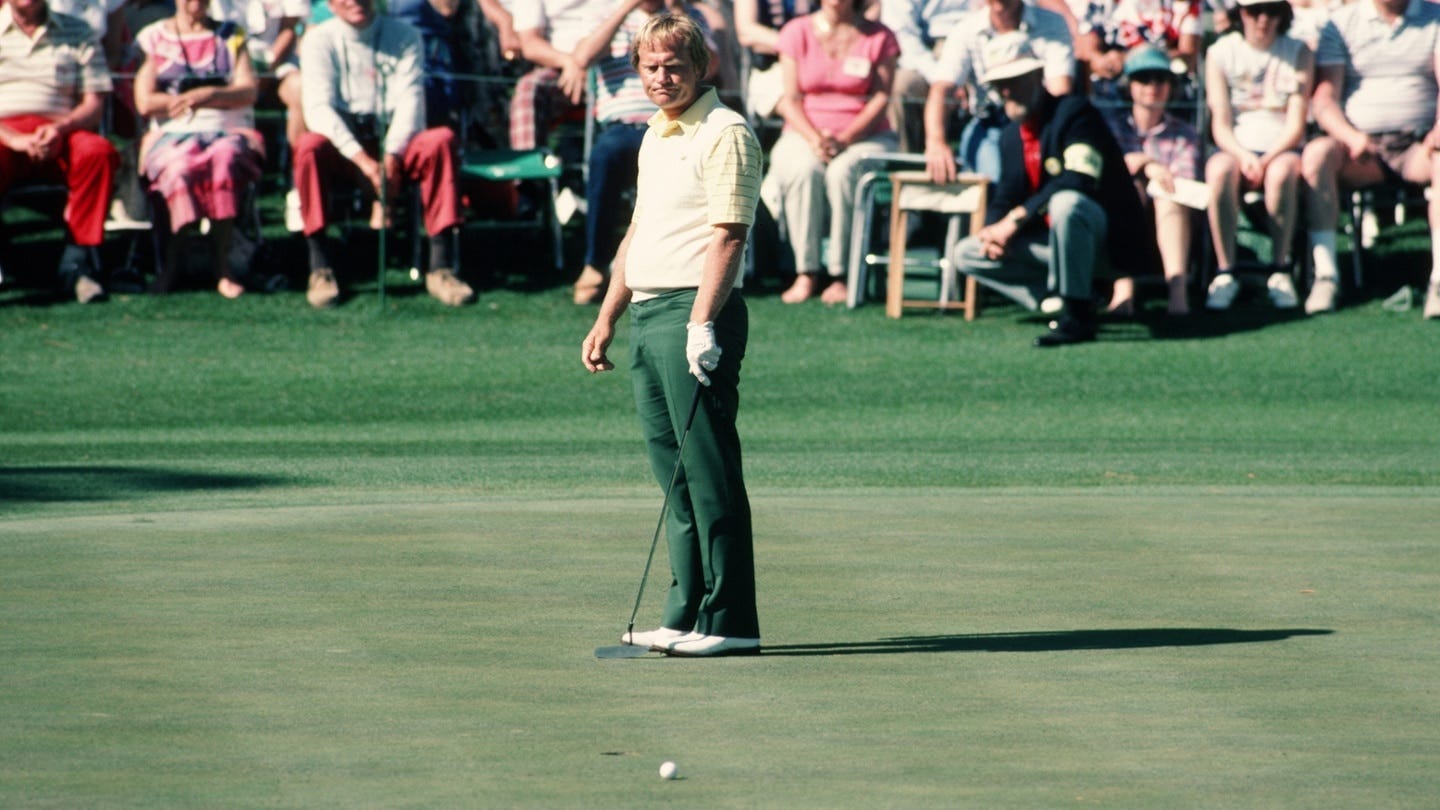
How many of you have ever hit a perfect putt?
Not a putt that simply goes in — a putt that dies into the hole. One that takes its last waking breath right at the lip… then finally gives in.
There’s a theory in putting: the slower the ball arrives at the hole, the more likely it is to fall in.
Not marginally more likely. Dramatically more likely. The physics and data behind this are solid, and they should change the way every serious golfer thinks about putting.
The concept is called effective hole size. And once you understand it, you won’t be able to unsee it.
The Hole Is Not Always 4.25 Inches Wide
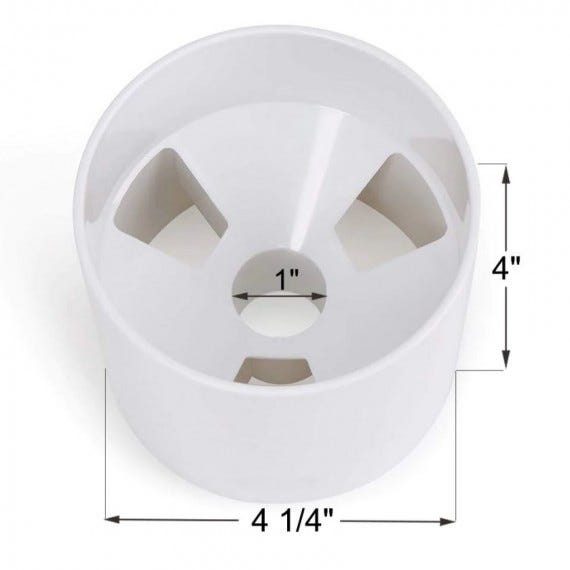
The rules of golf state this: a hole is 4.25 inches in diameter, and it sits at least four inches below the surface — and there’s nothing you can do to change that.
Trust me, I’ve tried. I asked my local muni to change all of the holes to 10 inches. They told me if they ever saw me again, they’d have security escort me off the property.
Oh well…
Okay, so we can’t change the size of the hole physically. But there is a way we can change the size of the hole functionally.
You see, the faster you hit a putt, the smaller that 4.25 inch diameter behaves. Conversely, the slower you hit a putt, the larger that 4.25 inch diameter behaves.
To be more specific:
The hole is 4.25 inches in diameter.
At near-zero velocity, the entire 4.25 inches is available to you.
The moment the ball has any forward velocity, that number starts shrinking.
Let’s look at some basic physics. I hate physics, but I promise it will help you putt better if you understand this stuff.
There are two forces at play when you hit a putt into the hole:
Once the ball rolls past the front edge of the hole, gravity begins pulling it downward into the cup.
As the putt approaches the front edge, there is forward momentum carrying it toward the back of the cup.
For the putt to fall in, gravity has to drop the ball before its forward momentum carries it past the back lip.
The faster the ball is moving, the less time the hole’s gravity has to work.
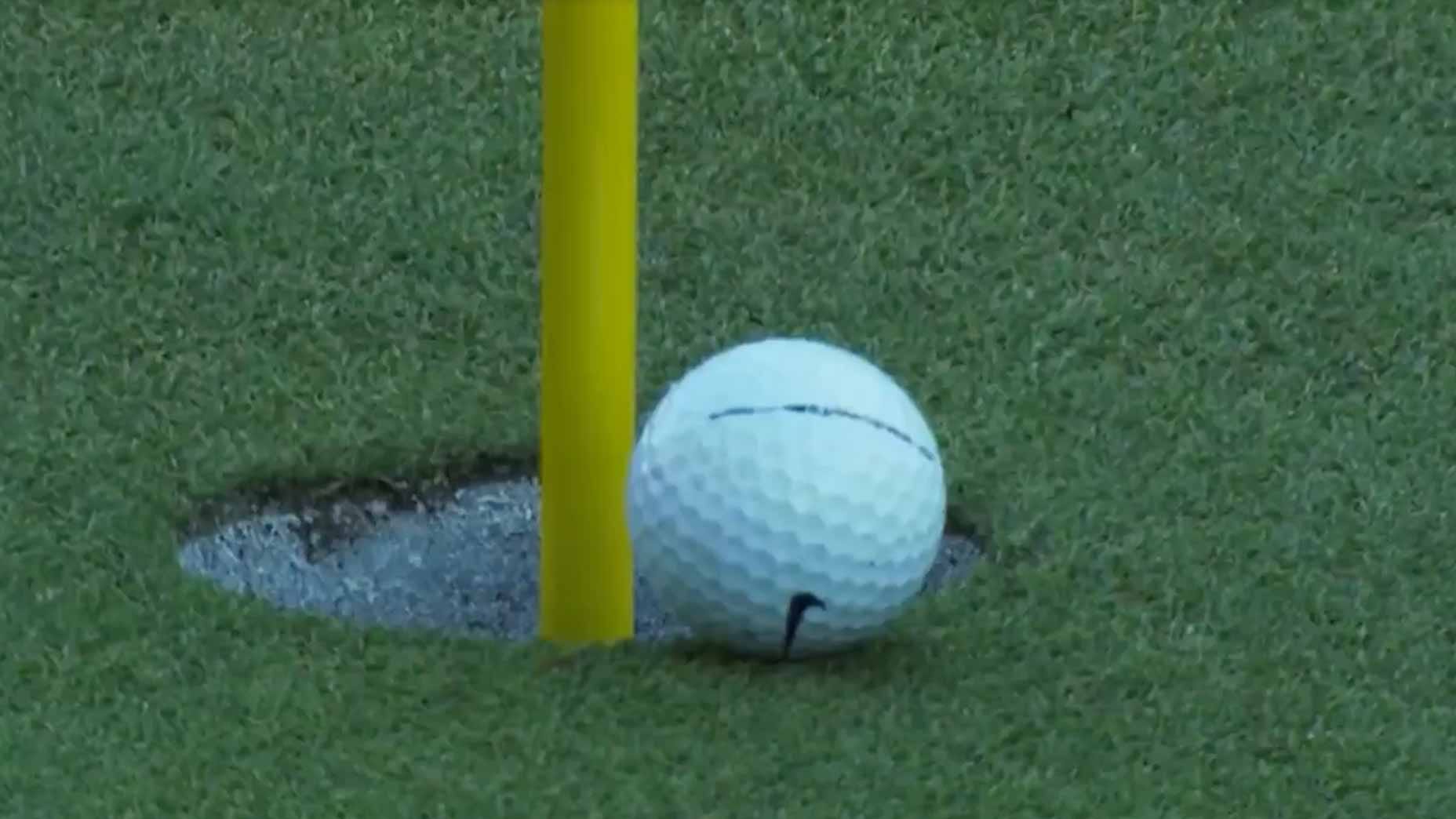
At a high enough velocity, the ball simply skips across the hole rather than falling into it. We’ve all experienced this...
This is how most lip outs happen. You may have had a great line, but your speed made the effective hole size too small.
Capture Width
There’s a concept called capture width, and it ties all of this together perfectly. It puts a precise numerical value on how much of the hole is actually available to you depending on the speed of your putt.
Once you understand it, you’ll never view putting the same way again.
