


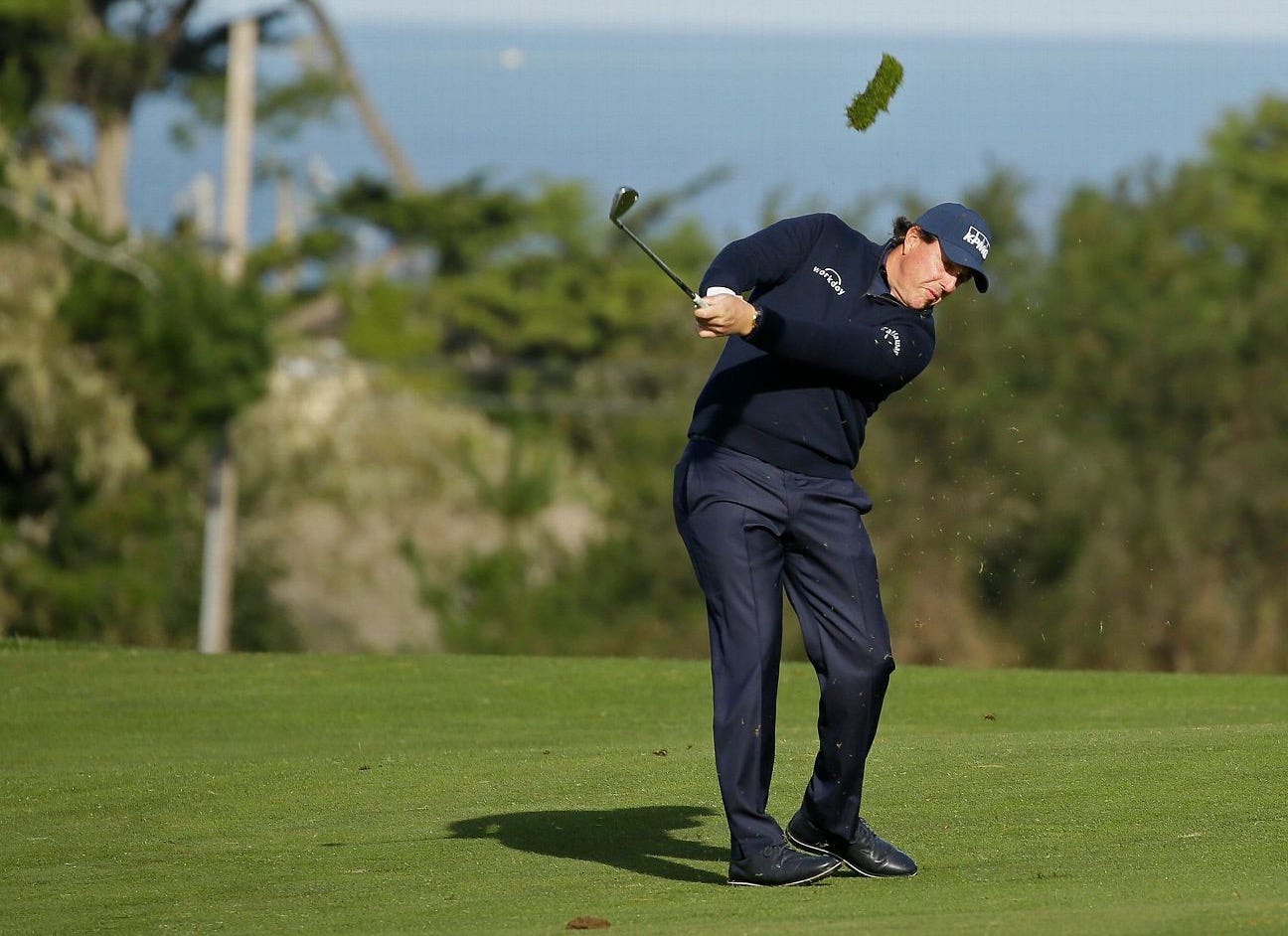
Ah, backspin. Everyone’s favorite part of golf. The part of the game that always seems to get the loudest “Ooos” and “Ahhs” from the spectators.
The fans and SportsCenter love it. But the pros? They aren’t nearly as fond of excessive backspin.
Despite all of the electric highlight reels of the ball spinning back 50 feet into the hole, ask any high-level golfer what they think of excessive backspin, and they’ll tell you they do everything they can to avoid it.
If you read The Sunday Bag edition each week, you might remember me sharing this video of Jason Day discussing the concept of "flighted wedges”.
When you take a full swing with a wedge, the ball launches around 35 to 40 degrees. At that height, it becomes much more vulnerable to the wind, and at that speed, the backspin becomes much stronger — which can be unpredictable.
Tour players purposefully take less than full swings with their wedges in order to launch the ball around 25 to 30 degrees. These "flighted wedge" shots stay low, avoid the wind, and stop on a dime. By keeping the trajectory down, they’re able to eliminate these variables, maintaining control and consistency.
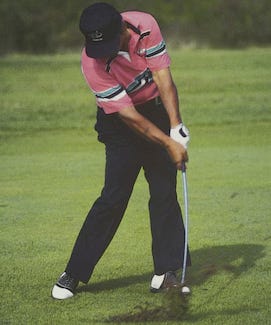
In today’s Scoring Letter, I’ll discuss the flighted wedge shot — why it’s so effective, how to execute it, and why I think it’s one of the most important shots to develop.
What is a Flighted Wedge?
Let’s start with a short definition so we’re all on the same page.
A flighted wedge shot is a wedge played with a deliberately lower, more penetrating trajectory than your normal full-swing wedge. Instead of the ball climbing high and hanging (bad), it stays on a flatter, more controlled path (good), then lands and stops with a hop-and-check rather than spinning wildly backward.
Now let’s get into some of the physics to understand how the shot is hit and why it’s so effective.
Dynamic Loft
I’m sure most of you carry an assortment of high-lofted wedges (50-60 degrees). But what if I told you that all of the loft on those wedges shouldn’t be used.
Let me explain.
