


If you’re like most amateur golfers, you step onto the tee box and immediately zone in on the fairway. Your brain starts thinking about all the shots you can hit to find it, and where you want to land the ball. You might even feel a little impressed with yourself for being so thoughtful about your tee shot planning.
But better golfers tend to see this differently. They generally don’t look at the fairway first.
They start at the green, not the tee.
“Playing a hole backwards” is a course-management approach used by tour pros, elite amateurs, and experienced instructors. Instead of planning forward from the tee, you reverse-engineer the hole — starting with the flagstick, then choosing the ideal approach angle, and finally selecting the tee shot that sets it up.
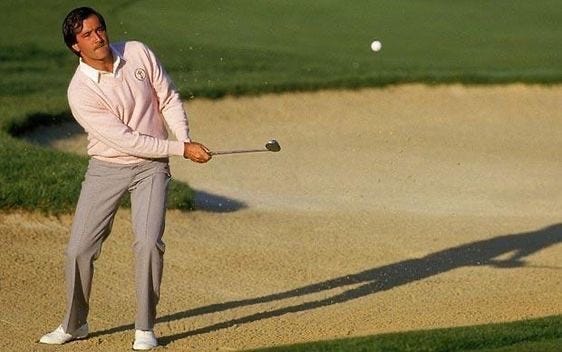
If done correctly, this is probably one of the most effective ways to lower your score without changing your swing. And who doesn’t want that :)
A quick word before we continue: We’ve had over 200 new subs join this week and I wanted to take a moment to thank you all. It truly means a lot to me.
I want you all to read the premium content because I truly believe that’s where a lot of the game-changing and actionable info lives, while also still making it worth my time to produce.
That being said, I’ve decided to run a little promo offering 30% of annual subscriptions. That’s a full year of ideas for half the price of a box of ProV1s lol.
You can access it HERE
A Breakdown
When we play a hole backwards, we start our planning from the green back to the tee:
Start at the flag
Where is the pin? What side of the green is safest? Where can’t you miss?
Choose the ideal approach shot
From what distance and angle do you feel most confident? What side of the fairway gives you the cleanest look?
Select the tee shot that creates that approach
That might mean hitting driver — or it might mean laying back with a fairway finder.
The goal here is setting up the approach shot. We want the most amount of green to work with coming in. No hitting over bunkers, water, or other hazards.
It’s much easier to hit a lower shot with room to run as opposed to a high shot that needs to land and stop in a 20 foot circle.
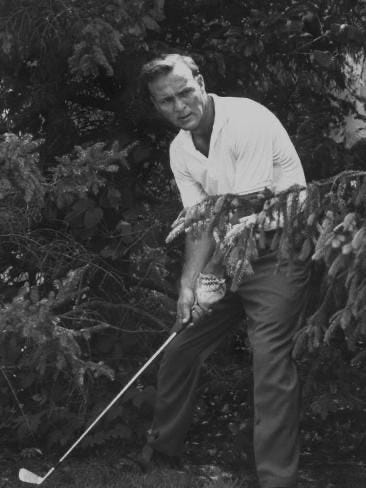
Instead of reacting shot-to-shot, we’re building the hole in reverse, choosing each shot to make the next one easier.
I found a great quote from golf course architect John Hughes. He states: “Golf courses are built backwards. You should play them backwards too.”
New brain pathways unlocked…
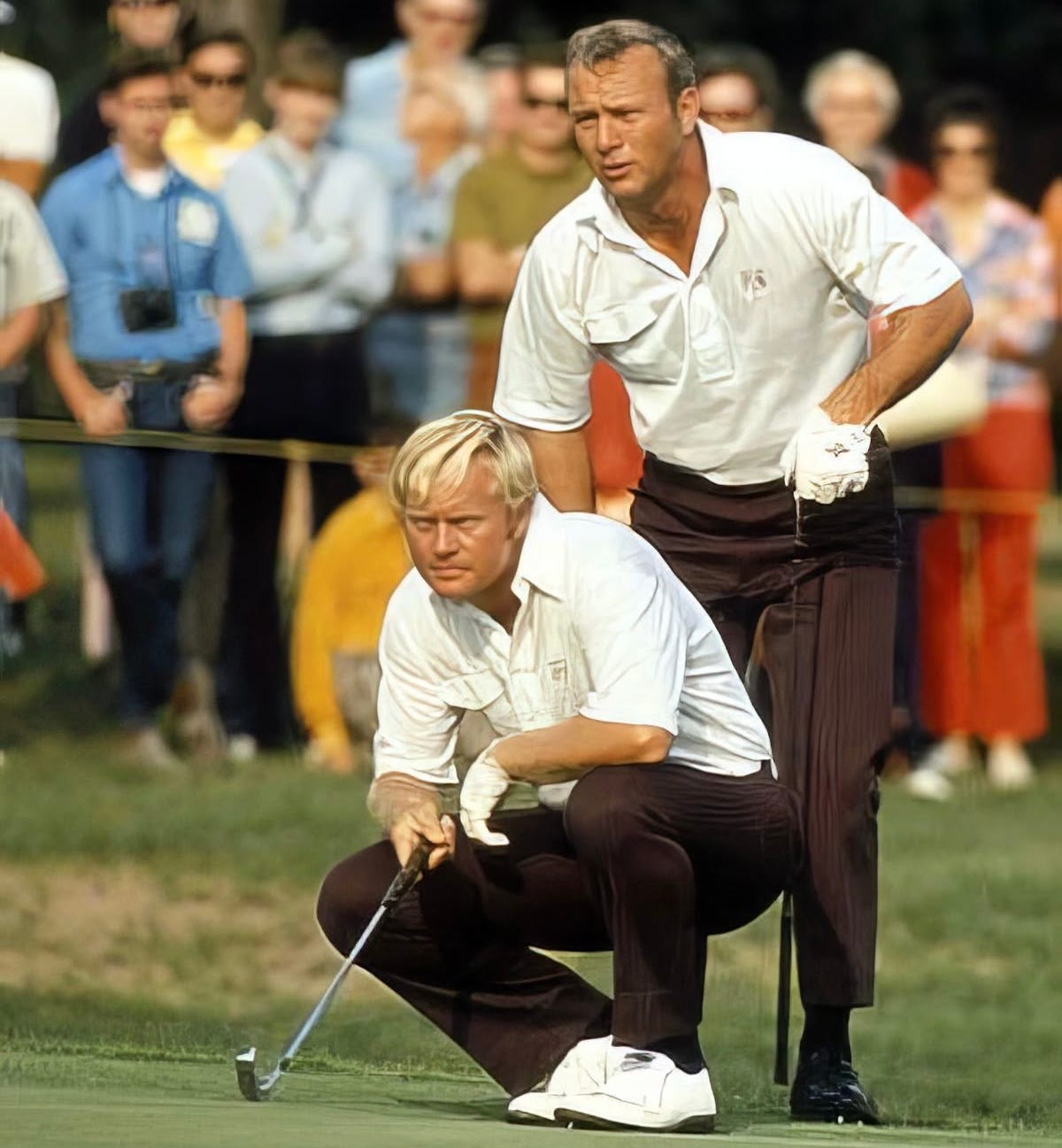
Jack Nicklaus famously walked holes backward during practice rounds to study landing areas and green contours. Greg Norman said he always found the flag first, then played the hole backward in his mind before picking a club.
Why This Strategy Tends to Work
1. You Avoid Big Numbers
Backward planning seems to reduce double bogeys and penalty strokes fairly significantly.
When golfers plan forward, they often bring hazards into play without meaning to. When they plan backward, they tend to avoid danger before it becomes relevant.
It doesn’t necessarily make birdies easier — it makes disasters rarer, and that’s often more valuable.
2. You Create Better Angles Into Greens
Not all fairway positions are equal.
If a pin is tucked back-right behind a bunker, the best approach is usually from the left side of the fairway. Left rough might even be better than right fairway. You get the idea.
Backward planning lets you:
- Avoid short-siding yourself
- Attack pins from favorable angles
- Hopefully give yourself better birdie looks
3. You Leave Yourself Yardages You’re Confident With
Most golfers have distances they trust more than others.
Some feel best from 100 yards. Others prefer 130, or a full wedge etc…
Backward planning allows you to choose a tee shot that leaves your preferred yardage, rather than forcing awkward half-shots.
In previous posts, I’ve discuss how bombing driver vs laying up in most cases leads to better scores. But in some cases it might make sense for you to lay up to a select distance. Mix it up and see how you do.
How to Practice This
I’m not suggesting you take the time to walk down to the green and literally walk the hole backwards lol. That would be ridiculous.
But if you’re playing a course you are familiar with, just have a look at the hole when you’re done with it and make a mental note of what you notice.
You’ll start to visualize the hole in an entirely new perspective. And it may influence your future rounds on that hole.
If You Really Want to Get Nerdy: Use Aerial Maps
Measure:
- Fairway widths
- Hazard distances
- Lay-up zones
- Narrow landing areas
Build a game plan before you arrive — not mid-round.
Use the “Zig-Zag” Method
If trouble is:
- Left off the tee → Aim right
- Right near the green → Aim left
You zig-zag away from danger, keeping the ball in safer zones. It’s a game within a game.
Conservative Plan, Aggressive Swing
Pick smart targets, then commit fully. Backward planning tends to remove fear, because the plan already avoids worst-case outcomes.
The Real Advantage: You Stop Playing Reactively
Most amateurs play golf reacting to shots they already hit.
Better golfers tend to play golf designing shots before they happen.
Backward planning:
- Reduces emotional decisions
- Improves commitment
- Prevents impulse hero shots
- Turns golf into more of a strategy game than a power contest
Final Thought
Playing a hole backwards doesn’t make golf easier physically. It makes golf easier strategically.
And perhaps most importantly — it makes golf feel more controlled, intentional, and intelligent. And I don’t know about you, but I find that part of golf really fun and addicting.
Until next time,
Tommy
PDF Guides: Are available by clicking here for paid subs